
Making Space for Creativity
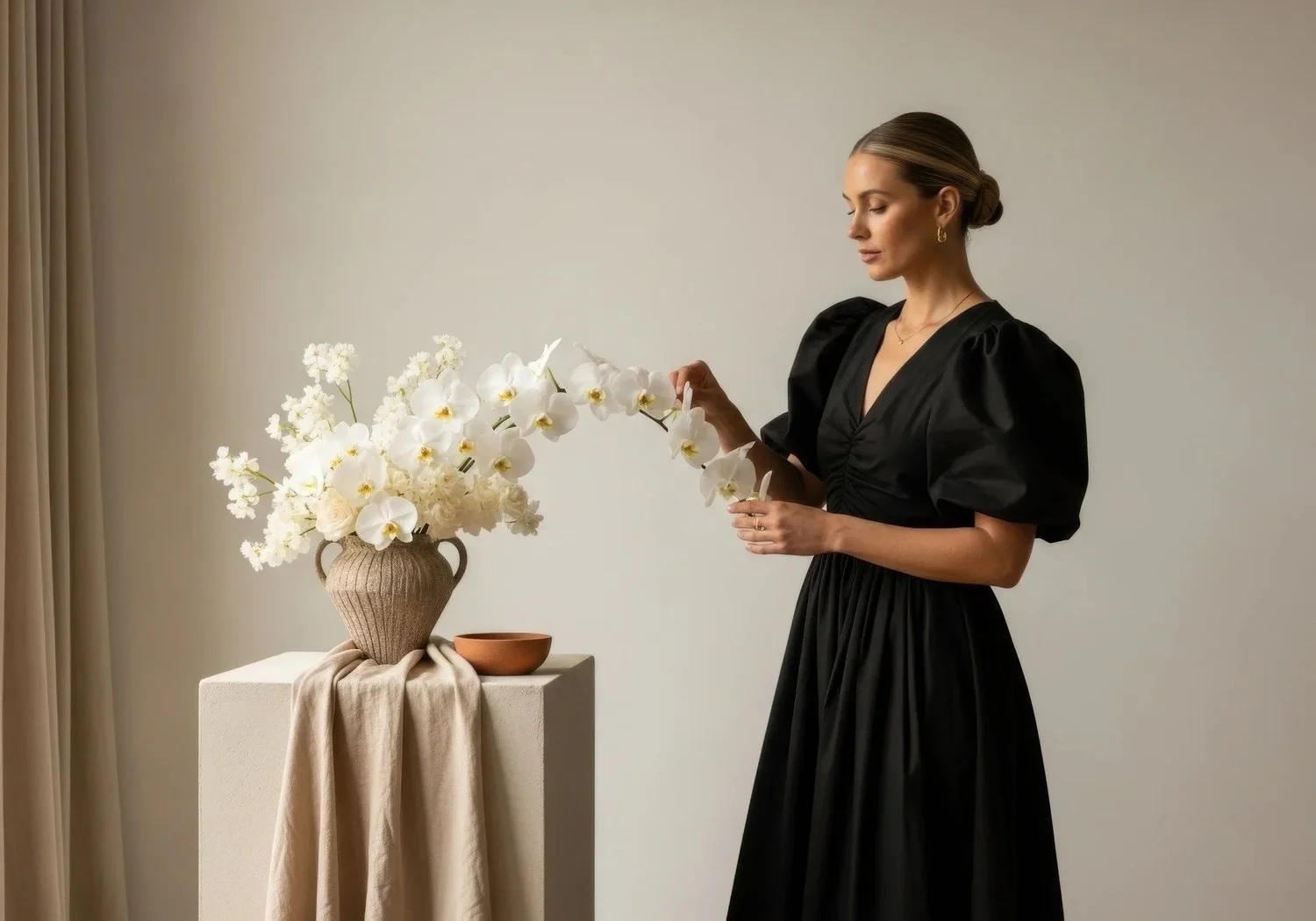
Some of us have had a therapist recommend that we “pursue something creative.” But maybe they didn’t go into the why, making it seem less therapeutic—and therefore less important to our overall wellbeing than it actually is. Let’s explore what’s really happening beneath the surface.
Creative pursuits encompass a wide range of modalities. The first thing that may come to mind is the arts: painting, drawing, sculpture, crafting, pottery; movement and dance; creating or listening to music. But creativity isn’t limited to the arts. Being creative simply means bringing something new into form. This could be anything from tending an herb garden, to cooking a dish, to developing a business idea, to writing.
Even if you don’t consider yourself “artistic,” most of us have experienced a shift in mood after creating something, moving our body to music, or immersing ourselves in a piece of art. Understanding why this happens can help us begin to prioritize creativity as something essential—not optional.
Brain Coherence and Integration
You may have heard that the right side of the brain is more intuitive and creative, while the left is more logical and analytical. While this is a helpful shorthand, it’s actually a simplification of a more complex reality. Creativity doesn’t live in just one side of the brain. It emerges when multiple regions and networks communicate effectively with one another.
That said, our Western culture often rewards structured, analytical thinking. Many of us spend large portions of the day planning, organizing, problem-solving, and communicating through language. Over time, this can leave us feeling mentally exhausted, emotionally constricted, or disconnected from ourselves.
Creative activities tend to shift us into a more integrated state. Instead of just analyzing or just feeling, we begin to link imagination, emotion, sensory experience, and meaning-making together. This is sometimes referred to as brain coherence, or when different parts of the brain are working in sync.
When the brain is functioning in a more integrated way, people often experience:
Greater focus and clarity
Improved mood
Increased emotional regulation
A stronger sense of presence
Flow States
Have you ever had the experience of becoming completely absorbed in what you were doing—so much so that you lost track of time?
This is known as a flow state, a concept developed by Mihaly Csikszentmihalyi. In flow, attention is fully engaged, self-consciousness quiets, and there is a sense of ease and immersion.
Creative activities are one of the most reliable ways to access flow. When we’re in this state, the brain is both relaxed and highly focused at the same time—a combination that supports wellbeing, learning, and satisfaction.
Flow isn’t just something that randomly happens to us. It’s something we can intentionally cultivate by making space for activities that feel engaging, meaningful, and just the right level of challenging.
Processing Emotions
Engaging in creative pursuits can also offer a powerful way to access and express emotions—especially ones that are difficult to put into words.
When we experience strong emotions without the opportunity to process them, they don’t simply disappear. They can linger in the nervous system, sometimes contributing to anxiety, low mood, or physical tension. While it’s not accurate to say emotions are literally “stored” in a fixed way, the body and brain do hold patterns of emotional experience that can remain unresolved.
Creative expression provides a non-verbal pathway for working with these experiences. Through art, movement, or music, we can externalize internal states in a way that feels safer and more manageable.
This is one reason approaches like art therapy and music therapy can be so effective—they allow for expression without requiring immediate verbal clarity.
You might try:
Assigning a color, shape, or texture to a feeling and putting it on paper
Listening to music that evokes emotion and allowing your body to move naturally
Writing freely without editing or structuring your thoughts
Often, people notice a sense of relief or lightness afterward. This isn’t because the emotion has disappeared, but because it has been acknowledged, expressed, and integrated.
In Summary
Creativity is not just a hobby, it’s a way of supporting your mental and emotional health. When you engage in something creative, you are:
Helping different parts of your brain work together more effectively
Accessing flow states that promote focus and serenity
Creating space to process and express emotions
Reconnecting with a sense of play, curiosity, and self
In a world that often prioritizes productivity and analysis, creativity offers us something equally important.